When I walk into an unfinished basement, the floor is usually the biggest clue about what the space can become. Basement flooring options are not a finish detail at the end of the job; they shape the room's height, warmth, sound, and moisture tolerance from day one. In an older Chicago house, I assume the slab is cold, the walls may weep a little in spring, and the ceiling is already tight. That is why I start with the floor before I start talking about paint colors or furniture. The right surface can make a basement feel like a real family room, guest suite, or office. The wrong one can make it feel temporary, damp, and noisy no matter how much you spend.
Start with the slab, not the showroom
The first question is not what looks best in a sample board. It is what the concrete is doing. If you see staining, hairline cracks, or a white powdery residue, you need a floor that can tolerate moisture and still stay flat. A basic calcium chloride or relative humidity test can tell you whether the slab is dry enough for a glued-down product, but in many basements I prefer floating systems because they are more forgiving. A 6-mil vapor barrier, a dimple membrane, or a subfloor panel with built-in air space can protect the finish layer from minor moisture swings. If the slab is uneven, I would rather use a product that bridges small imperfections than pour money into a perfect polished finish that will still show every low spot. That is the architectural answer to basement flooring options: let the structure tell you what is realistic before you buy material.
The basement flooring options I reach for first
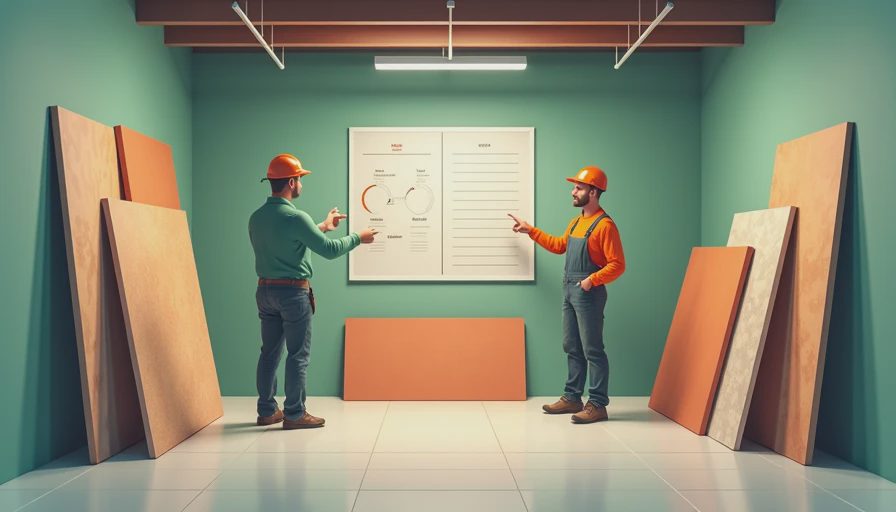
For most homes, luxury vinyl plank is the easiest starting point. It handles spills, pet traffic, and basement humidity better than many people expect, and decent lines from CoreTec, Shaw, or Mohawk can look surprisingly close to white oak. Installed pricing usually lands around $5 to $12 per square foot, depending on the underlayment and prep. Porcelain tile is my next choice when the goal is a bar, laundry area, or a basement bath, because it is hard wearing and simple to clean. It costs more once you add labor, often $10 to $20 per square foot installed, but it is nearly unbeatable near water.
Carpet tile deserves more attention than it gets. In a media room or play zone, it gives warmth underfoot, improves acoustics, and lets you replace one damaged tile instead of the whole room. Brands like Shaw and Interface make good options for that use. If the basement is dry, polished concrete can also be beautiful, especially in a newer lower level with a clean, modern look. It is not cozy, but it is durable and easy to maintain.
What I avoid in older basements
I am careful with solid hardwood below grade, especially in homes built before 1960. It can look great for a while, then swell, cup, or telegraph moisture problems from the slab. Cheap laminate is another trap. It often feels hollow, and if water gets into the seams, the damage is usually enough to force a full replacement. Wall-to-wall carpet over raw concrete is also a bad move unless you have a real subfloor and a dry basement history. It traps humidity, holds odor, and can turn a small leak into a replacement project. If a homeowner wants the look of wood, engineered wood over a proper underlayment can work in the right basement, but I still want the moisture story solved first. The finish should follow the basement, not bully it into acting like the first floor.
The build details that make the floor feel expensive
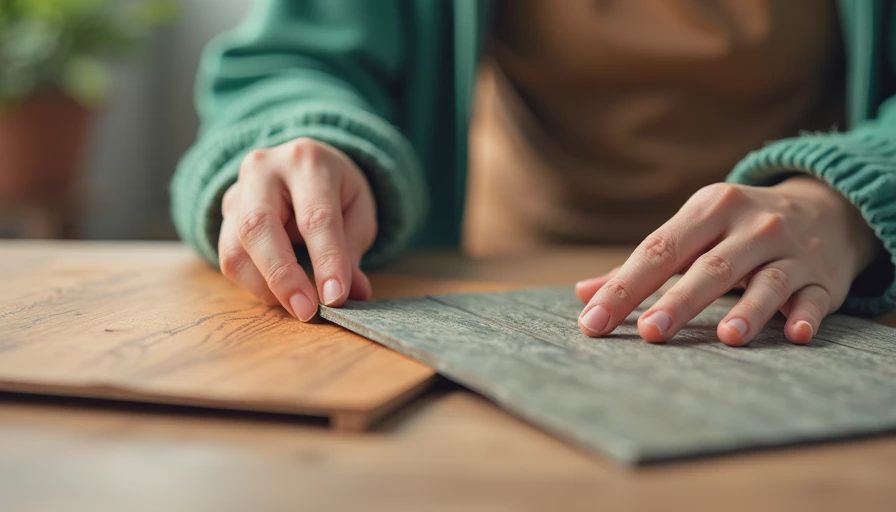
The material matters, but the details are what make the room feel finished. A floating floor needs the right expansion gap at the perimeter, or it will buckle. Transition strips should be planned where the basement meets stairs, tile, or existing hardwood upstairs so the change in height does not feel accidental. If the room needs sound control, a quality acoustic underlayment under LVP or engineered wood can keep footsteps from carrying into the kitchen above. In Chicago basements, I also pay attention to the edge condition at the foundation walls. A little gap and a clean base detail matter more than a thick bead of caulk slapped on later. If you are comparing basement flooring options, ask how the assembly is built from slab to surface, not just what the top layer is made of. That is where the durability lives.
Match the floor to the room's job
A home theater wants a different floor than a gym. In a theater, carpet tile or broadloom with a dense pad softens the room and improves sound. In a gym, rubber tiles or rolled rubber are the safer choice because they handle dropped weights and sweat without drama. A guest suite usually benefits from LVP or engineered wood because those rooms need to feel like an extension of the house, not a finished storage area. For a kids' play zone, I like a resilient floor that can take spilled juice, marker lines, and toy drag without a long cleanup. If there is a wet bar, I often switch to tile in that zone so chairs, ice, and occasional splashes are not a problem. The smartest basement flooring options do not force every square foot to behave the same way. They let each zone act like its own room while still reading as one coherent design.
A practical short list if you want to move forward
If you are stuck between basement flooring options, start by ordering samples and putting them on the slab for a few days. Walk on them barefoot. Leave a glass of water nearby and see which finish feels right in the room's light. Then measure finished floor height carefully, because a quarter inch here and a half inch there can change stair risers, door swings, and trim details. If you want the safest all-around answer for a dry but older basement, I usually land on a floating LVP with a quality underlayment. If the room is doing double duty as a bar or bath, porcelain tile deserves serious attention. And if the space is meant to feel soft, quiet, and finished, carpet tile is hard to beat. The best basement flooring options are the ones that make the lower level work harder, not just look prettier.




No notes yet — write the first one.