The best basement window decorating ideas do more than cover a small pane of glass. They manage privacy, soften hard foundation walls, protect against moisture, and make a lower level feel like a room rather than a utility zone. In my basement work around Chicago, I start by studying the window's height, well, and relationship to furniture before choosing fabric or trim. A basement window is usually modest, but it still controls how finished the room feels.
Older homes create a particular challenge. A 1920s basement may have a narrow hopper window, a deep masonry opening, or a concrete sill that was never intended to be decorative. That is not a reason to hide it. It is a reason to give the opening a clear job: bring in daylight, frame a view, conceal equipment, or anchor a reading nook. The most successful solutions are simple, durable, and scaled to the limited ceiling height common below grade.
Start With the Window, Not the Accessories
Before exploring basement window decorating ideas, measure the opening from several points. Record the width, height, sill depth, distance to the floor, and clearance for the window to open. Basement windows often sit close to a sofa, desk, or storage cabinet, and a full-length curtain can become an awkward obstacle. A compact Roman shade, inside-mounted roller shade, or café curtain may work better.
Also inspect the wall for dampness. Do not install expensive woven shades against a wall with condensation, efflorescence, or a recurring leak. Solve drainage and humidity problems first. A dehumidifier, improved grading, window-well cover, or masonry repair is more useful than a beautiful treatment that absorbs moisture and develops an odor.
For privacy, light-filtering cellular shades are a strong starting point. Brands such as Bali and Levolor offer honeycomb styles in neutral colors, and the air pockets add a small amount of insulation around a cold opening. Choose a top-down, bottom-up configuration when possible: it lets daylight enter through the upper glass while keeping the lower portion private. In a basement family room, that adjustment can make the room brighter without putting the space on display.
Use Fabric to Add Height and Warmth
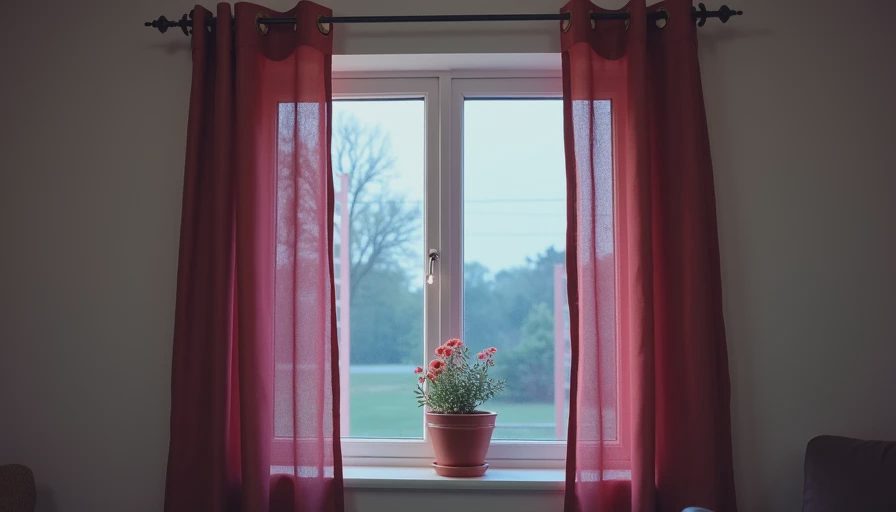
Curtains are among the most flexible basement window decorating ideas, but they need to be installed with discipline. Mount the rod several inches above the opening and extend it beyond both sides so the fabric can stack clear of the glass. This makes the window appear wider and allows more daylight into the room when the panels are open. A simple black rod with oatmeal linen-look panels can warm up painted block, drywall, or exposed brick without making the ceiling feel lower.
Avoid puddled curtains in a basement. They collect dust, sit near possible floor moisture, and visually crowd compact rooms. Use panels that end just above the floor or at the sill, depending on the furniture arrangement. For a basement office, a flat Roman shade in a small-scale stripe gives structure without competing with shelving. For a media room, lined drapery can help control glare from a window near the screen, although it should not be treated as a substitute for proper blackout shades.
Color matters more than pattern below grade. Soft clay, olive, muted navy, and warm gray usually perform better than icy white, which can emphasize blue artificial light and concrete surfaces. If the basement has low ceilings, repeat the wall color in the window treatment. The opening will recede, and the room will feel calmer.
Build the Window Into the Room's Function
Some of the smartest basement window decorating ideas turn an inconvenient opening into useful architecture. A shallow bench beneath a wide egress window can become a reading seat, provided the window remains accessible and the bench does not interfere with emergency escape requirements. Use a lift-up seat for blankets or board games, but keep the storage cavity ventilated and easy to inspect.
A narrow desk can also make productive use of a basement window. Leave enough clearance for the sash, install an adjustable task lamp, and select a moisture-resistant top such as sealed birch plywood, laminate, or solid-surface material. A 20- to 24-inch-deep desk is often sufficient for a laptop and notebook. If the opening is below the preferred desktop height, use a shallow shelf above it rather than blocking the glass.
For a guest room, frame the window with a slim painted casing and pair it with a tailored shade. For a kids' zone, use washable cotton panels or a cordless shade, keeping cords away from beds and play areas. The treatment should support the room's function rather than simply fill an empty wall.
Make a Small Window Look Intentional
Small basement windows benefit from repetition. One framed print on each side, a continuous ledge, or matching shades across several openings can make separate windows read as one composition. This is especially useful in a long basement where mismatched treatments create visual noise. Paint the trim a consistent warm white, or use the same color as the doors and built-ins to establish a clear material language.
Window wells deserve attention as well. Exterior improvements such as a clean gravel base, a properly fitted cover, and light-colored well surfaces can increase the amount of reflected daylight. Inside, avoid placing tall cabinets directly in front of the opening. A low console, plant stand, or upholstered stool keeps the sightline open and gives the window breathing room.
Plants can work, but choose them for basement conditions rather than wishful thinking. A pothos, snake plant, or cast-iron plant can tolerate lower light better than many decorative varieties. Keep pots on a waterproof tray and leave several inches between foliage and glass to reduce condensation problems. If there is almost no natural light, a quality LED grow bulb is more honest than pretending the window provides enough daylight.
A Phased Plan That Protects Your Budget
You do not need to finish the entire basement before improving its windows. Begin with the treatment that solves the most immediate problem. A cordless cellular shade may cost roughly $50 to $180 per window, while custom Roman shades or lined drapery can run several hundred dollars each. Trim upgrades, paint, and a simple ledge can often be completed in a later phase.
The practical sequence is straightforward. First, repair leaks and confirm that the window opens correctly. Second, install privacy or light control. Third, paint the surrounding wall and trim. Fourth, add furniture or storage that reinforces the window's purpose. This order prevents you from designing around a moisture issue or covering an opening that needs to remain accessible.
When comparing basement window decorating ideas, ask what each one contributes. Does it improve privacy, daylight, comfort, storage, or visual proportion? If it does none of those things, it is probably decoration without architecture behind it. A narrow opening can still become a strong focal point when the treatment, trim, and furniture agree.
The Detail That Makes the Basement Feel Finished
The strongest basement window decorating ideas are rarely expensive. They rely on correct scale, clean installation, durable materials, and a clear understanding of how people move through the room. A shade mounted too low can make the ceiling feel shorter. A curtain pooling beside a damp foundation wall can create maintenance trouble. A bench that blocks an egress window can turn a charming idea into a safety problem.
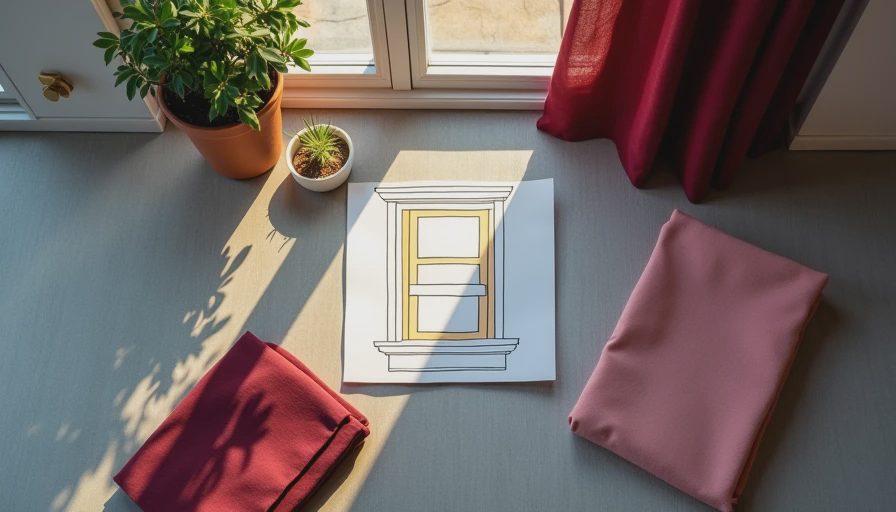
Draw the window elevation before buying anything. Mark the glass, sill, trim, furniture, and operating clearance on paper. That five-minute sketch will reveal whether a Roman shade, curtain, shelf, bench, or simple painted casing is the right move. Once the practical constraints are visible, the design becomes much easier.
A basement should not apologize for being below grade. Give its windows enough attention to bring in light, protect privacy, and connect the openings to the room's purpose. With that approach, even a low hopper window can help a basement feel deliberate, comfortable, and genuinely part of the home.


No notes yet — write the first one.