Basement windows are small, low, and often surrounded by concrete, drywall, or exposed masonry. The right curtain ideas for basement windows can make those openings feel intentional instead of like an afterthought. In my basement projects around Chicago, I start by studying the window's job: Does it need privacy, blackout control, insulation, or simply a softer edge? The answer determines the fabric, mounting height, and amount of fullness.
A lower level also has different conditions from an upstairs room. Humidity, limited daylight, radiators, window wells, and low ceilings all affect the design. Before buying panels, measure the glass, check how far the sash opens, and leave enough clearance for air movement. A beautiful treatment that traps moisture against an old frame is not a successful treatment.
Start with the window and the room's purpose
The best curtain ideas for basement windows begin with the room's function. A media room usually needs light control, while a guest bedroom needs privacy without feeling sealed off. A basement office benefits from glare reduction but should still receive every available bit of daylight. In a playroom, cordless shades or securely mounted panels are safer and easier to manage than long fabric puddling on the floor.
Measure the inside width and height of the opening, then measure the wall around it. If the window is above a workbench, sofa, or built-in cabinet, an inside-mounted shade may be the cleanest option. If the wall is open, a rod mounted 4 to 6 inches above the opening can visually raise the ceiling. For a typical 36-inch-wide basement window, a 48- to 60-inch rod allows curtains to stack beyond the glass rather than blocking daylight.
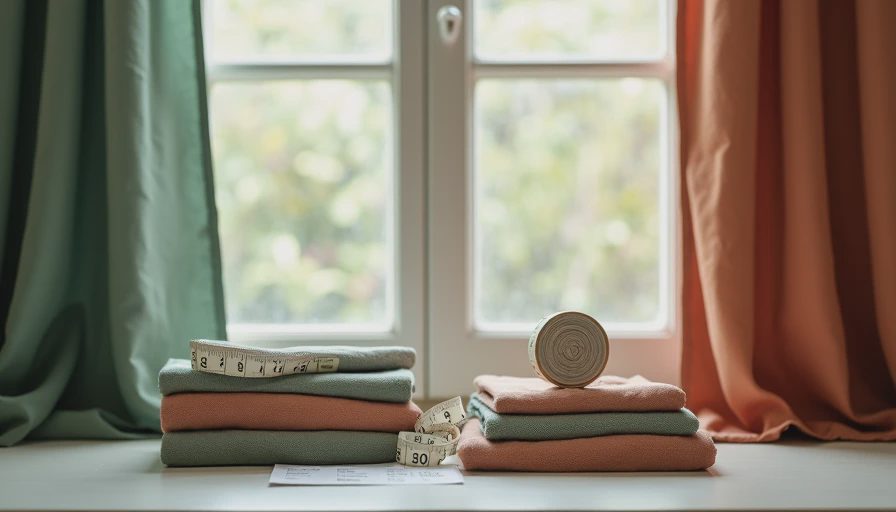
Use layered treatments for privacy and daylight
One of my favorite curtain ideas for basement windows is a two-layer arrangement: a light-filtering roller shade close to the glass and stationary fabric panels outside the frame. The shade handles privacy and glare. The panels add scale, color, and acoustic softness even when they are not being closed.
For the shade, look at products from Bali, SelectBlinds, or IKEA's roller shade range. A basic roller shade can cost roughly $35 to $100 per window, while a custom solar shade often lands between $150 and $350. Choose a light-filtering weave for a family room and a blackout material for a theater or bedroom. Avoid placing blackout fabric directly against a damp frame; leave room for inspection and ventilation.
The outer panels do not need to be expensive. Ready-made curtains from Target, IKEA, or West Elm can work when the proportions are corrected with a proper rod and hem. Hang the rod wide enough that the panels clear the window when open. This simple move makes a small basement window appear larger without changing the construction.
Choose fabrics that suit a lower level
Basement curtains should be durable, washable, and visually light. Linen-look polyester is one of the most forgiving choices because it brings texture without the maintenance of true linen. Cotton canvas works well in a casual gym or workshop, while velvet can make a media room feel warmer and improve sound absorption. In a humid basement, I would avoid heavy fabric that stays damp for long periods or touches the sill.
Color matters more than many homeowners expect. Bright white panels can sharpen a room with limited natural light, but stark white may emphasize unfinished concrete and cool LED bulbs. Warm ivory, oatmeal, pale gray, or muted blue usually creates a calmer transition. If the walls are charcoal or navy, a natural flax color keeps the room from becoming visually dense.
Use fabric strategically rather than covering every opening. One full-height panel wall may be more effective than four small café curtains. Repeating the same material at a window, reading nook, and adjacent storage screen can also make a basement feel planned as one room.
Consider curtains that solve awkward basement conditions
Many older basements have windows close to the ceiling, close to the floor, or interrupted by pipes. Standard full-length curtains are not always the answer. For a high horizontal window, mount a relaxed Roman shade inside the opening and use a narrow trim band above it. For a low window near a sofa, choose a tailored Roman shade or a café curtain that stops above the furniture.
If a window well brings glare or unwanted sightlines, a top-down shade can preserve daylight while protecting privacy. Cellular shades are useful where drafts are noticeable because their honeycomb structure adds a modest insulating layer. Hunter Douglas, Levolor, and Bali all offer cellular products in multiple opacity levels, though custom sizing increases the price.
For pipes and ductwork, install a short ceiling-mounted track instead of forcing a rod through the obstruction. Ceiling tracks from brands such as Kirsch or IKEA can create a clean line around a corner. The track should remain accessible for maintenance, and curtains should not cover electrical panels, shutoff valves, or a dehumidifier.
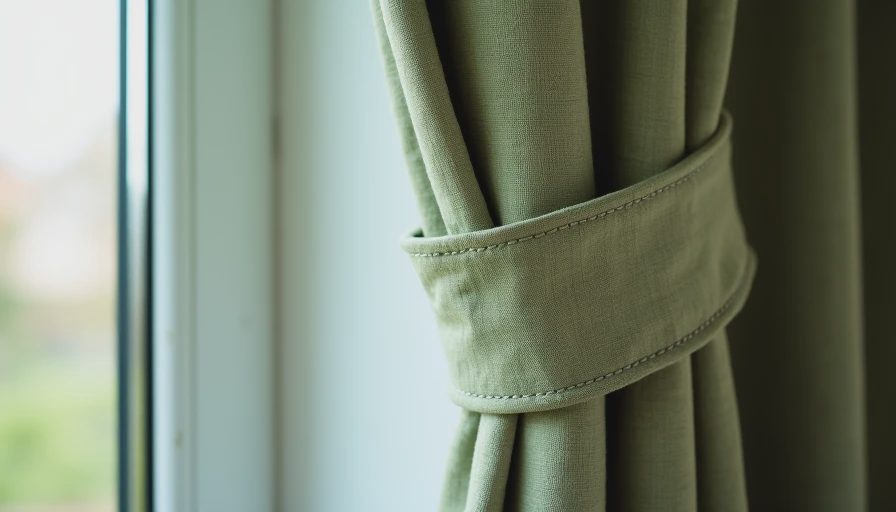
Match the treatment to a finished basement layout
Curtain ideas for basement windows should support the plan rather than compete with it. In a multi-use basement, I often divide a guest area from a lounge with a ceiling-mounted curtain, then use a related fabric at the windows. The curtain becomes a flexible wall: open during a party, closed when someone is sleeping. A 12-foot run of fabric can cost $250 to $900 depending on weight, lining, and hardware, but it can do more work than a permanent partition.
For a home theater, use dark side panels and blackout shades, but keep emergency egress windows clear and operable. For a home office, use a neutral solar shade that reduces screen glare while keeping the room connected to the window well. In a basement gym, washable panels in a medium tone hide dust better than delicate pale fabric.
The key is visual hierarchy. If the walls, flooring, and furniture already have strong patterns, select a solid curtain with a clear texture. If the room is mostly gray drywall and concrete, a subtle stripe or geometric weave can provide the architectural rhythm the space is missing.
A simple installation and buying checklist
Before ordering, follow a sequence that prevents expensive mistakes. First, photograph the window, sill, nearby outlets, pipes, and furniture. Second, measure width in three places and use the smallest number for an inside mount. Third, check whether the window is an emergency egress opening; curtains must not prevent quick operation. Fourth, choose hardware rated for the panel weight, especially when mounting into drywall.
Plan for 1.5 to 2 times the rod width in fabric for ordinary fullness. A 60-inch rod therefore needs about 90 to 120 inches of total curtain width. Mount brackets into studs when possible, or use suitable hollow-wall anchors. Keep the hem 1/2 inch above the floor in a clean finished room, and use a sill-length hem when furniture or moisture makes floor-length fabric impractical.
My preferred approach for most basements
For a typical finished lower level, I would start with an inside-mounted light-filtering roller shade, then add two textured panels on a rod mounted wider and higher than the window. That combination handles privacy, glare, and visual proportion for about $150 to $500 per opening when using midrange products. It also allows the room to evolve from office to guest space without replacing everything.
The strongest curtain ideas for basement windows are not the most decorative ones. They respect the window's operation, keep moisture visible, and make a low ceiling feel taller. Draw the treatment on the wall before drilling, test fabric samples under the room's actual lighting, and phase the work if the basement is unfinished. A carefully measured shade today can become the first deliberate detail in a lower level that eventually feels like a real second house.




No notes yet — write the first one.