Window coverings for basement windows are not a finishing detail I leave until the end of a renovation. In a lower level, the right shade or curtain affects privacy, glare, insulation, furniture placement, and even how large the room feels. A small hopper window above a concrete foundation needs a different solution from a full-width egress window in a finished guest room. Draw the room first, then select the covering that supports how the space will actually be used.
In my Chicago basement projects, I usually solve three problems at once: neighbors should not see directly into the room, daylight should be controlled without making the basement feel sealed, and the window must remain accessible for cleaning or emergency use. That combination rules out many attractive but impractical products.
Start With the Window, Not the Fabric
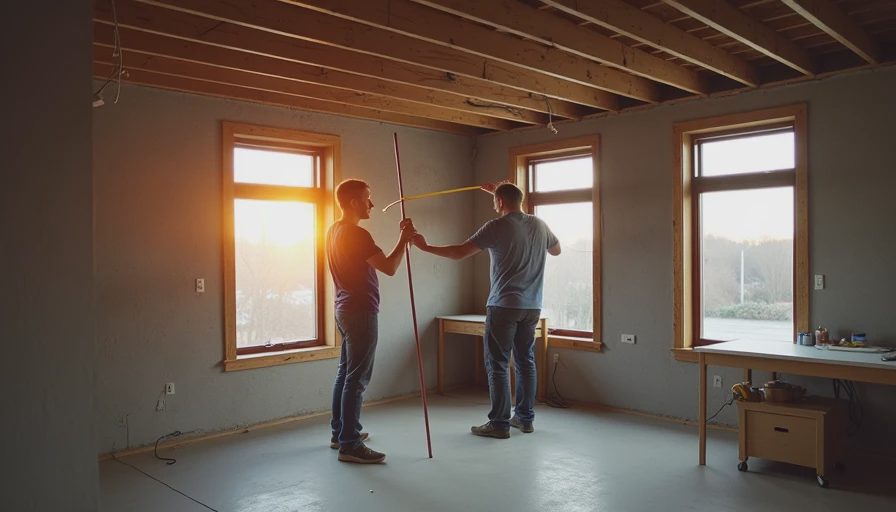
Measure the opening at the top, middle, and bottom. Older homes often have masonry openings that are slightly out of square, and a one-eighth-inch difference can show beside an inside-mounted shade. Record the glass size, frame depth, handle location, trim projection, and distance from the sill to the floor. For an egress window, also note the clear opening and the path to the window well. A covering must never block that escape route.
The window type points toward the solution. Hopper windows tilt inward from the top, so bulky cellular shades or deep blinds can interfere with the sash. Sliding basement windows need a treatment that does not hang into the track. Glass block windows usually need privacy film or a shallow shade mounted on the wall because there is little usable frame depth. Awkward openings are not a reason to use a generic curtain; they are a reason to choose a mounting method carefully.
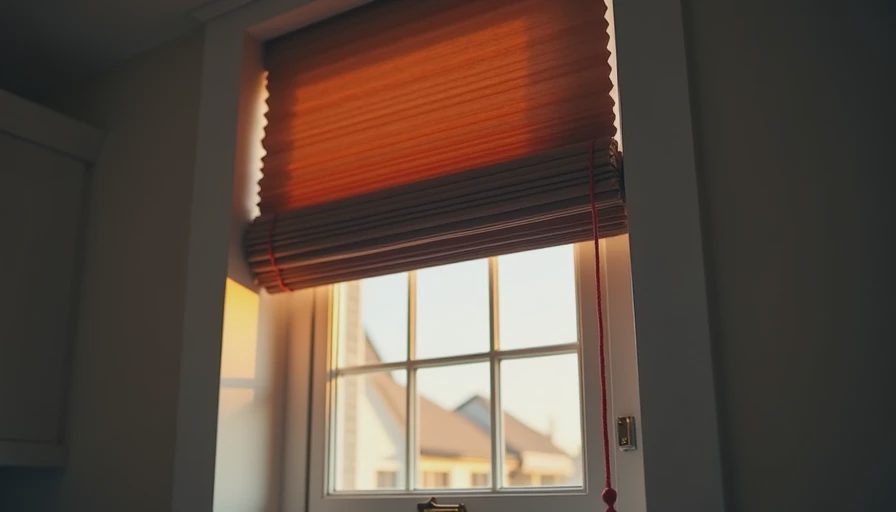
For narrow foundation windows, a pair of full curtains often creates more visual weight than the opening deserves. A single Roman shade, roller shade, or top-down cellular shade keeps the wall quiet. If the window is set high, mount the treatment close to the ceiling only when the surrounding wall can support that scale. Otherwise, the fabric can make a seven-foot basement ceiling feel lower.
Best Window Coverings for Basement Windows
Roller shades are my default starting point for a clean, architectural basement. They take little space, work well on shallow frames, and come in light-filtering, solar, and blackout materials. A basic cordless roller shade can cost roughly $40 to $150 per window, while custom woven or motorized versions commonly run $250 to $700. Choose a moisture-resistant polyester fabric rather than untreated natural fiber near a laundry room or damp foundation wall.
Cellular shades are useful when the basement is cold in winter. Their honeycomb construction adds a modest insulating layer and keeps the window surface visually soft. Light-filtering fabric preserves a little daylight for an office or playroom; blackout fabric works better for a media room or sleeping area. Because the pleated stack can be deeper than a roller shade, verify that an inward-opening hopper sash has clearance.
Window coverings for basement windows can also include interior shutters, but I use them selectively. Composite shutters tolerate humidity better than unfinished wood and provide strong privacy, though they can look heavy on a small opening. Wood shutters bring warmth to a basement bar or library, but they need stable indoor conditions and careful finishing. In an older Chicago basement with occasional condensation, composite is the safer specification.
Privacy Without Losing Daylight
Privacy film is especially effective when the basement faces a sidewalk, alley, or neighboring foundation. Frosted film admits diffuse light while obscuring faces and activity. It is inexpensive, often $8 to $20 per square foot installed, and can be cut around divided panes. The limitation is control: film cannot darken a room for a projector, and it does not provide the layered softness that fabric brings to a guest suite.
Top-down, bottom-up shades solve a common basement problem. You can cover the lower portion of the glass to block sightlines while leaving the upper portion open for daylight. This arrangement works well in a home office where a monitor sits below the window. It also keeps the wall from becoming a dark rectangle during the day. Use a cordless design with a stable handle, especially when children use the room.
For a finished basement with several small windows, repeat one material and color across the openings. Matching shades make unrelated windows read as one composition. If the windows are different heights, align the shade heads where possible, then let the lower edges fall at their natural positions. The eye notices a consistent top line more than identical sill heights.
Choosing Treatments by Basement Function
A media room needs glare control first. Blackout roller shades with side channels can reduce light around the edges, though they will not make a room perfectly dark if the window frame leaks air. Pair them with a simple curtain only when the room needs acoustic softness. Heavy velvet is rarely necessary; lined polyester or textured wool-blend panels can absorb some sound without turning the room into a theater set.
A guest room benefits from privacy, darkness, and a residential texture. I often specify a blackout shade inside the frame with relaxed woven panels outside it. The shade handles sleep, while the panels make the window feel like part of a bedroom rather than a basement workaround. In a gym, solar shades are more useful because they reduce glare on a television while preserving the connection to daylight.
A playroom needs durable, washable materials and safe operating hardware. Avoid long cords and loose chains. Use cordless shades or motorized controls, and keep furniture from creating a climbing route to a window. In a basement office, consider a solar screen with an openness factor that limits glare while still allowing a view of the window well. That small visual connection can make long work sessions feel less enclosed.
Installation Details That Prevent Problems
Do not mount a shade directly against a wall with visible condensation or a history of water intrusion. Fix the moisture source first, improve drainage around the window well, and allow the masonry to dry. A covering can hide a stain, but it cannot solve a wet wall. Leave enough air space for circulation, particularly behind curtains that reach the sill.
Window coverings for basement windows should be installed after paint but before final furniture placement. Confirm that the shade does not hit a radiator, baseboard heater, dehumidifier, or window handle. For masonry, use anchors rated for the wall material rather than ordinary drywall hardware. A professional installation may cost $75 to $200 per opening, but accurate alignment across multiple windows is often worth it.
If you are phasing the basement remodel, start with the rooms that are already usable. A $600 set of shades for an office and guest room can provide immediate privacy while the future bar or theater remains unfinished. Keep a record of fabric, color, and mounting dimensions so later additions match instead of becoming a collection of unrelated fixes.
A Clear Specification Before You Shop
Write down five decisions: inside or outside mount, light-filtering or blackout, cordless or motorized operation, moisture tolerance, and the room's primary use. Then photograph each window with a tape measure visible. Retailers such as Select Blinds, Blinds.com, and The Shade Store offer different levels of customization, while local workrooms can solve unusual trim and masonry conditions. Compare the complete price, including brackets, delivery, and installation, not just the fabric sample.
Window coverings for basement windows should make the lower level feel intentional, not hidden. The best choice usually has a quiet profile, a clear reason for its material, and hardware that respects the way the room functions. In a basement, good design is often the result of removing one unnecessary layer. Let the opening bring in what daylight it can, control the view where privacy requires it, and choose a treatment that belongs to the room you are building.


No notes yet — write the first one.