A ryobi leaf vacuum can be a useful fall cleanup tool, but the right model depends on your yard size, leaf volume, driveway surface, and storage plan. I think about outdoor equipment the same way I think about a basement renovation: begin with the work pattern, then choose the tool or room that supports it. A compact yard beside a Chicago bungalow has different needs from a wooded suburban lot, just as a seven-foot basement ceiling calls for a different layout than a full-height lower level.
Ryobi sells several outdoor power tools under its ONE+ and 40V systems, including blower, vacuum, and mulching configurations. Product names and included accessories change, so read the exact model description before buying. The important questions are straightforward: how much suction do you need, how long will the battery last, and where will the collected material go once the bag is full?
What a Ryobi Leaf Vacuum Actually Does
A ryobi leaf vacuum pulls loose leaves through a tube, breaks some of them down with an internal impeller, and deposits the material in a collection bag. Many models also function as blowers, allowing you to gather leaves before switching to vacuum mode. That combination is more useful than a vacuum alone because leaves are easiest to collect when they have already been moved into manageable rows.
Mulching is the space-saving feature. A bag of shredded leaves takes up less room than a bag of whole leaves, although the reduction depends on the model, leaf moisture, and debris type. Dry maple leaves generally process more easily than wet oak leaves, pinecones, sticks, or compacted piles. Do not treat the machine as a chipper. Large branches can damage the impeller or clog the intake.
For a small front yard, a ryobi leaf vacuum may replace a rake and several trips to the curb. For a large property, it is better understood as a finishing tool after a blower or rake has consolidated the bulk of the material.

Battery Choice, Runtime, and Handling
The battery platform is the first practical decision. A smaller ONE+ tool can make sense if you already own compatible batteries for drills, lights, or trimmers. That lowers the cost of entry and keeps chargers off the workbench. A 40V model generally belongs to a heavier outdoor-tool system and is more appropriate when you expect longer sessions or thicker leaf coverage.
Runtime is affected by more than the advertised battery size. Wet leaves, full-power operation, repeated clog clearing, and a packed collection bag all increase the load. If your yard takes 30 minutes to clear, a single battery with a comfortable reserve may be enough. If the job takes two hours, plan on a second battery, a fast charger, or a staged cleanup over several days.
Weight matters more than shoppers expect. A ryobi leaf vacuum carried at waist height feels different from a blower held at arm's length, especially when the bag fills. Look for a shoulder strap, adjustable handle, and a tube position that keeps the machine close to your body. Try the empty tool in a store if possible, because balance is difficult to judge from product photos.
Matching the Tool to Your Property
Draw a quick site plan before buying. Mark the lawn, planting beds, driveway, sidewalks, deck, and the place where leaves will be stored or loaded. This takes five minutes and reveals whether you need high suction, a long run time, or simply a better route through the yard.
On a small lot, gather leaves toward the street-side edge or a compost area. On a larger lot, divide the property into zones and finish one zone at a time. A ryobi leaf vacuum is most efficient when the collection bag has a short path to a tarp, bin, or municipal yard-waste container. Carrying a heavy bag across the property wastes the energy you saved by mulching.
Avoid vacuuming gravel, decorative stones, thick mulch, or loose soil. The tool can pull up material you intended to leave in place. Around basement window wells, use a lower-power setting and clear by hand near the drain cover. Debris blocking a well can contribute to water problems, and no leaf tool should substitute for inspecting the drain and window seal.
A Better Fall Cleanup Sequence
Start when leaves are dry enough to move without clumping. Use the blower setting to create narrow rows rather than one enormous mound. Keep rows perpendicular to your walking direction, then vacuum in passes that overlap slightly. Empty the bag before it becomes completely dense; suction often drops when the bag is packed.
A ryobi leaf vacuum works best when the operator controls the material depth. If the intake repeatedly stalls, stop the motor, remove the battery, and follow the manual's clearing procedure. Never reach into the tube while the battery is installed. Check the bag zipper, tube connection, and impeller area after each session, especially if the machine has encountered twigs.
The finished leaves can go into a compost enclosure, paper yard-waste bags, or a designated municipal collection stream. Shredded leaves also make useful carbon material for compost when mixed with greener kitchen or garden waste. Keep the pile away from basement walls, window wells, and foundation drainage paths so seasonal moisture does not become a lower-level problem.
Storing It Without Sacrificing Basement Space
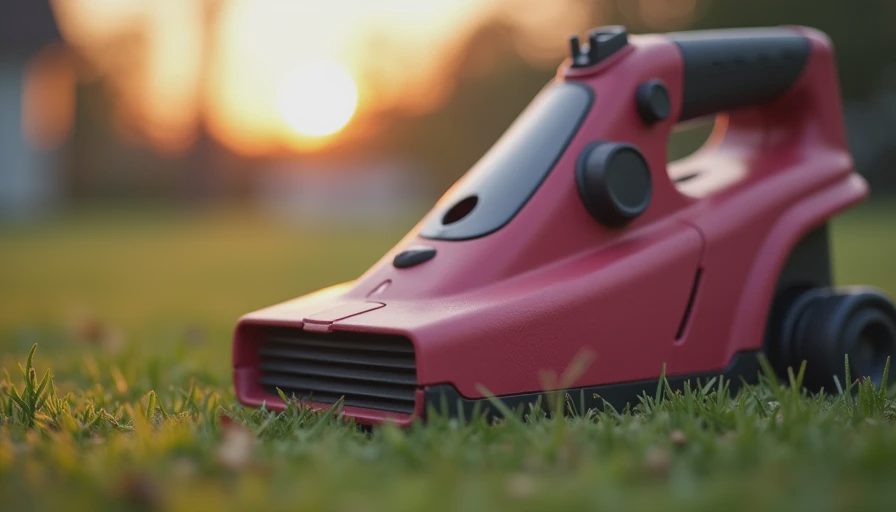
This is where an outdoor tool becomes a small architectural problem. Do not leave a ryobi leaf vacuum in the middle of a basement stair landing or in front of the electrical panel. Reserve a narrow equipment zone near the exterior door, utility room, or garage entry. A 24-inch-deep shelving unit can hold the machine, charger, spare battery, extension accessories, and seasonal gloves without consuming an entire wall.
Hang the collection bag open and dry rather than sealing it while damp. Brush leaves from the tube and housing, then store batteries indoors at a moderate temperature according to the manufacturer's guidance. Keep batteries away from heat sources, moisture, and loose metal objects that could bridge the terminals. A labeled shelf is safer than a cardboard box where tools become buried under holiday decorations.
In a finished basement, place the equipment zone behind a door or inside a utility closet with durable flooring. I prefer sealed concrete, luxury vinyl, or a removable rubber mat over carpet. That gives you a place to set down muddy equipment without turning an otherwise useful storage wall into a maintenance chore.
When Another Tool Makes More Sense
A ryobi leaf vacuum is not automatically the best answer for every property. A basic rake remains inexpensive, quiet, and precise around delicate planting beds. A dedicated blower is often faster when leaves only need to be moved to a curb pile. For very large lots, a tow-behind lawn vacuum or gas-powered unit can offer greater capacity, though it also brings more maintenance, noise, fuel storage, and seasonal servicing.
Toro, Worx, Greenworks, and other brands offer comparable blower-vacuum categories. Compare the complete system rather than the tool price alone: battery cost, spare bags, charger speed, replacement tubes, warranty terms, and local parts availability can change the value substantially. A $150 tool that requires a $100 battery is not really a $150 setup.
Choose the Ryobi option when its battery platform fits your existing tools, the bag size suits your cleanup area, and you can store it safely. If those three conditions are not true, a rake-and-blower combination may create a cleaner workflow for less money.
A Simple Buying Checklist
Before ordering, measure the distance from your storage area to the yard and estimate how many bags of leaves you normally remove. Confirm whether the selected model is a blower, vacuum, or blower-vacuum combination. Check whether the battery and charger are included, because package contents vary between listings and retailers.
Inspect the tube diameter, collection bag capacity, shoulder strap, power control, and mulch setting. Read the manual's restrictions on sticks, pinecones, wet debris, and permissible surfaces. Then decide where the equipment will live from November through spring. If that location is not dry, accessible, and out of the way of basement circulation, solve the storage problem before solving the leaf problem.
A well-chosen ryobi leaf vacuum can make seasonal cleanup faster without turning the basement into an equipment shed. Map the route, buy for the actual workload, and give the tool a defined home. That small amount of planning produces the same result I seek in a lower-level floor plan: every square foot and every minute of maintenance has a clear purpose.





No notes yet — write the first one.