When homeowners ask how much to finish a basement, they usually want one number. The honest answer is a range: roughly $35,000 to $100,000 for a typical basement renovation, with small cosmetic projects below that and complex guest suites or accessory dwelling units above it. The price depends less on the square footage alone than on moisture, ceiling height, plumbing, electrical capacity, egress, and the number of rooms you are trying to create.
I have seen a 700-square-foot Chicago basement become a clean media room for about $42,000, while a similarly sized lower level approached $120,000 after structural repairs, a bathroom, custom millwork, and a separate entrance were added. The difference was not a matter of luxury finishes. It was the existing condition of the building and the amount of infrastructure hidden behind the walls.
How Much to Finish a Basement by Project Scope
For a basic finish, budget approximately $35 to $65 per square foot. That range can cover framing, insulation, drywall, paint, basic flooring, lighting, and a modest number of outlets. A 600-square-foot basement might therefore cost $21,000 to $39,000, although minimum contractor charges and permit requirements often push a smaller project toward the higher end.
A more complete renovation typically costs $65 to $100 per square foot. This is where many homeowners land when they add a finished staircase, durable flooring, upgraded lighting, built-in storage, and one finished room such as an office, playroom, or theater. For a 900-square-foot space, that suggests $58,500 to $90,000 before unusual structural work.
A high-end basement with a bathroom, wet bar, heated floors, custom cabinetry, acoustic treatment, or a legal sleeping room can reach $100 to $175 per square foot. The key is to decide whether every square foot needs a separate function. A flexible lounge with a desk wall and foldaway guest bed can cost less and work harder than three cramped rooms.
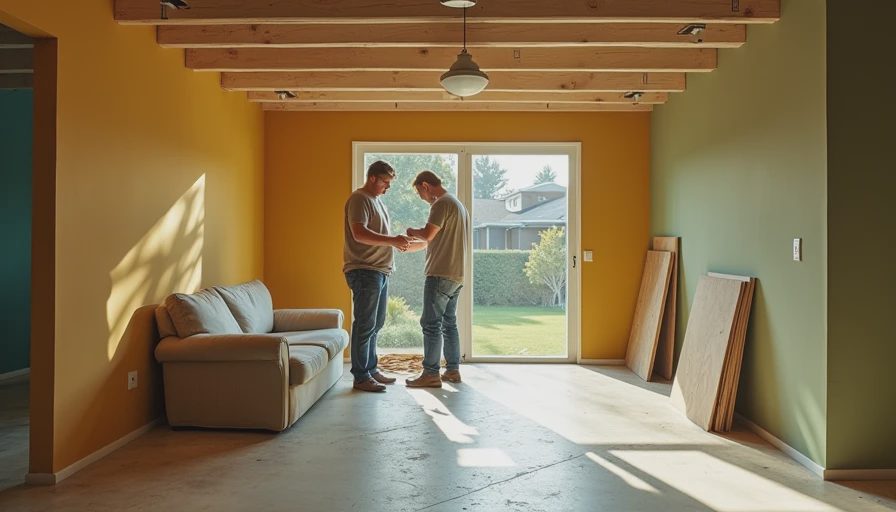
The Costs Behind the Walls
Moisture control comes first. If the basement has seepage, staining, musty odors, or elevated humidity, expect $2,000 to $15,000 for solutions ranging from grading and sump-pump improvements to interior drainage or foundation work. Do not cover a wet wall with framing and hope the problem disappears. The finished materials will hide the evidence until the damage becomes expensive.
Framing and insulation often run $8,000 to $20,000, depending on size and the number of walls. In an older home, I prefer assemblies that tolerate minor moisture rather than trapping it against masonry. Rigid foam, carefully sealed joints, and properly detailed framing can be more valuable than an extra layer of decorative trim.
Electrical work may cost $4,000 to $12,000. A basement office, theater, gym, or workshop needs more than a few outlets around the perimeter. Plan circuits for computers, audiovisual equipment, exercise machines, freezers, and future needs. Recessed lights are popular, but a layered plan with wall sconces, lamps, and dimmable ceiling fixtures gives the room a more residential feel.
Plumbing is one of the largest variables. A simple bathroom near existing drain lines might add $12,000 to $25,000. Moving the bathroom across the basement, cutting concrete, installing an ejector pump, or adding a shower can push that figure to $30,000 or more. A wet bar may add another $5,000 to $15,000, depending on cabinetry, countertops, water supply, and drainage.
How Much to Finish a Basement With a Bathroom?
If your plan includes a bathroom, how much to finish a basement becomes a question of location as much as fixtures. Keeping the new bathroom close to an existing rough-in can save thousands in demolition and underground plumbing. A compact three-quarter bath with a toilet, vanity, and shower usually needs less space and infrastructure than a full bath with a tub.
Allow room for mechanical access. Furnaces, water heaters, electrical panels, and sump pumps cannot simply be boxed in without service clearances. I often draw the utility area as a deliberate back-of-house zone, then use a clean door, shelving, or a slatted screen to make it visually quiet. This protects the budget and preserves access when equipment needs repair.
Egress is another major consideration. A basement bedroom generally needs an emergency escape opening that meets local code, and installing a larger window may involve excavation, a window well, masonry cutting, and drainage. In the Chicago area, older homes frequently require a careful review of ceiling height, stair geometry, and existing permits before a bedroom can be marketed as legal living space.

A Better Way to Phase the Work
You do not have to finish the entire basement at once. A sensible first phase might stabilize moisture, upgrade electrical service, insulate the exterior walls, and build one warm multipurpose room. That could cost $25,000 to $50,000 and give the family an office, movie space, and playroom immediately.
The second phase can add a bathroom, storage cabinetry, or a guest area when the budget allows. Rough-in decisions made during the first phase matter. Even if the bathroom is years away, locating plumbing routes and leaving an accessible chase can prevent expensive demolition later.
For example, one family might use a 400-square-foot finished zone for weekday work and weekend movie nights while leaving 300 square feet unfinished for storage and mechanical equipment. A built-in desk, movable ottoman, and short-throw projector can support several uses without filling the room with permanent furniture.
How Much to Finish a Basement Without Wasting Space
The cheapest basement is not always the best value. A low bid that ignores storage, circulation, or mechanical access can leave you with a polished room that feels awkward every day. I start by drawing the major paths: stairs to the main seating area, seating to the bathroom, and a clear route to the furnace and sump pump. Then I place furniture before choosing wall locations.
This is also where ceiling height deserves an honest conversation. Most basements cannot become airy lofts, especially in pre-1960 homes. Dark ceilings can make ductwork disappear, but they do not create height. In a lower room, I would rather use a light wall color, continuous flooring, slim fixtures, and fewer partitions than force in a bulky drop ceiling.
Flooring should tolerate real basement conditions. Luxury vinyl plank is practical and available in convincing wood patterns, while porcelain tile performs well near entries and laundry areas. Carpet tiles can make a playroom comfortable and allow individual damaged sections to be replaced. Solid hardwood is usually a poor choice directly over a concrete slab unless the assembly is specifically designed for it.
How Much to Finish a Basement: Your Planning Checklist
Before requesting bids, document the basement with measurements, photographs, ceiling heights, utility locations, window sizes, and signs of moisture. Decide whether the priority is a media room, office, gym, guest suite, storage system, or a combination. Give contractors the same written scope so you are comparing similar work rather than three different interpretations.
Ask each builder to separate allowances for flooring, plumbing fixtures, lighting, doors, and cabinetry. A quote with a $2,000 flooring allowance can look attractive until your selected material costs $6,000. Keep a contingency of at least 10 percent for concealed conditions, especially in older masonry homes.
So, how much to finish a basement in a way that feels intentional? Start with the building, not the wish list. Solve water, utilities, code, and circulation first. Then spend on the features you will touch and use every week. A carefully phased $55,000 renovation can outperform a rushed $90,000 build because every room has a job and every detail supports the life above it.





No notes yet — write the first one.