Mold clean up in a basement is not mainly a scrubbing exercise. It is a building-diagnostics problem. If water is still entering through a foundation wall, a damp slab is wicking moisture upward, or a clothes dryer is venting into the room, new growth will return after the surface looks clean. Before planning a guest suite, home gym, or media room, understand where the moisture comes from and whether the affected materials can be saved.
I have walked through older Chicago basements where a musty smell was treated as an unfortunate basement characteristic. It is not. A basement can smell earthy for a few hours after heavy rain, but persistent odor, fuzzy growth, staining, or swollen trim deserves a deliberate inspection. The right sequence is simple: find the water, remove contaminated porous materials, dry the structure, and then design the finished space around reliable moisture control.
Start mold clean up by finding the water
Use a flashlight and work clockwise around the room. Look at foundation joints, corners, window wells, plumbing penetrations, the area beneath the main-floor kitchen, and the rim joist near the ceiling. A pin-style moisture meter can often be purchased for $30 to $80, though readings are most useful when compared across several surfaces rather than treated as an absolute diagnosis.
Common sources include a failed downspout extension, a clogged window-well drain, a cracked masonry joint, condensation on cold water pipes, or a slow leak behind a finished wall. In older homes, grading around the exterior can be just as important as the foundation itself. Water should move away from the house, not collect beside it.
Do not cover a damp wall with paint, paneling, or new drywall. That approach hides the evidence and creates a warm, dark cavity where growth can spread. If the source is a plumbing leak, repair it first. If groundwater is involved, you may need improved gutters, exterior drainage, an interior perimeter drain, or a sump pump with battery backup. Mold clean up that ignores the water path is only a temporary reset.
Decide whether the project belongs in a DIY plan
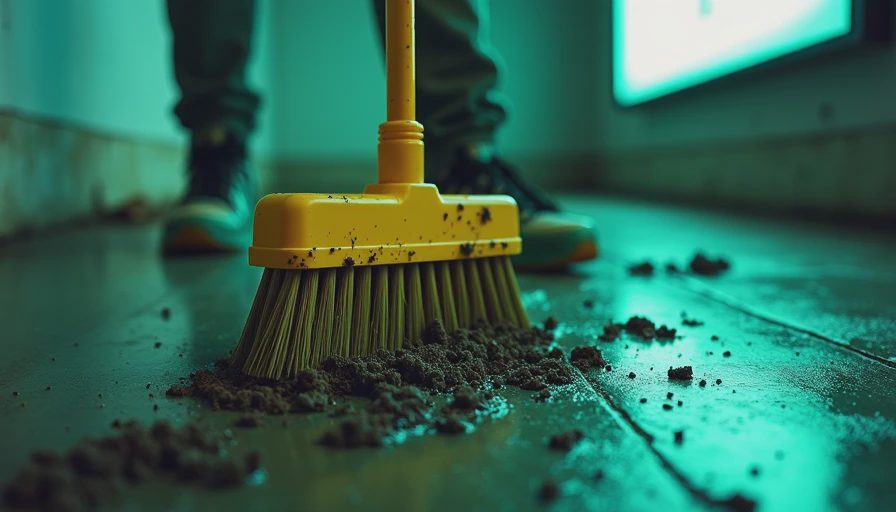
Small areas on hard, nonporous surfaces can often be handled by a careful homeowner. Wear gloves, eye protection, and an N95 respirator, improve ventilation, and avoid using a fan that blows contaminated dust into other rooms. Clean sealed concrete, metal, and some finished plastic with detergent and water, then dry the surface completely. Never mix bleach with ammonia or other cleaning products.
Porous materials are a different matter. Moldy drywall, carpet, insulation, ceiling tile, upholstered furniture, and heavily affected wood usually need removal rather than repeated washing. Bag debris before carrying it through finished areas. A plastic containment barrier with a zipper opening can reduce migration, but a barrier is not a substitute for proper air control or professional equipment.
Hire a remediation company when growth covers a large area, returns after cleaning, follows sewage or floodwater, reaches HVAC equipment, or affects a household member with serious respiratory sensitivity. A reputable contractor should explain the moisture source, containment method, removal plan, drying equipment, and final cleaning process. Ask for a written scope rather than accepting a vague promise to “spray and seal.”
What professional mold clean up should include
A sound mold clean up plan begins with documentation. Photograph staining before demolition, identify affected rooms, and record when the problem appeared. Testing is not always necessary to decide that visibly contaminated drywall must be removed, and air sampling cannot replace finding the moisture source. However, an experienced specialist may recommend targeted testing when the extent is unclear or when a building owner needs documentation.
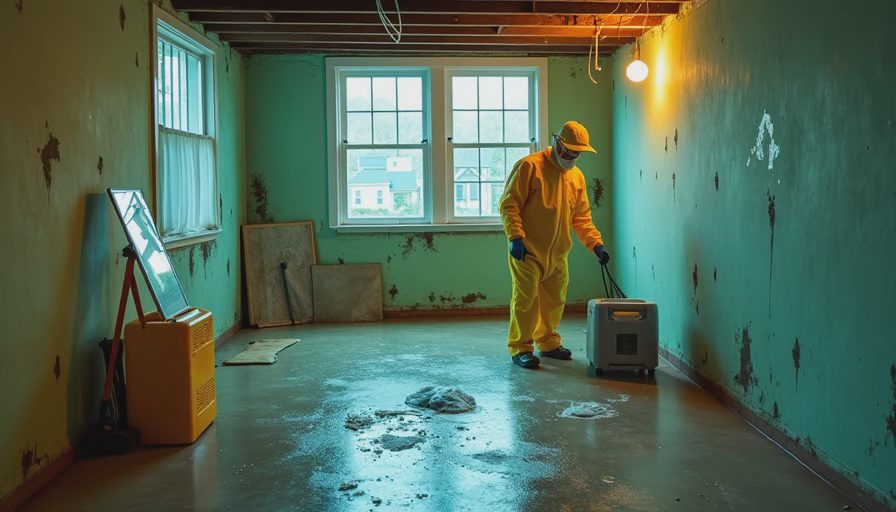
The work commonly includes containment, negative air using a filtered machine, removal of porous materials, HEPA vacuuming, damp wiping, and structural drying. The contractor should protect clean portions of the basement and prevent debris from traveling upstairs. After demolition, the exposed framing and masonry need time to dry. A dehumidifier alone is not enough if water is still entering from outside.
Costs vary with access and severity. A small basement cleanup might run several hundred dollars, while a project involving demolition, drying, and HVAC treatment can reach several thousand dollars. The cheapest quote is not automatically the best value if it excludes disposal, containment, or the repairs that stop recurrence.
Design the basement so moisture problems stay visible
After remediation, resist the urge to rebuild every wall immediately. I prefer a phased approach: stabilize the shell, observe it through a wet season, then finish the rooms. This can delay construction by a few months, but it protects the investment in flooring, cabinetry, and electronics.
Use materials that tolerate basement conditions. Closed-cell spray foam or rigid foam can be appropriate in specific foundation assemblies, but the wall needs a code-compliant strategy that manages condensation. Fiber-cement panels, tile, sealed concrete, and carefully selected vinyl flooring are generally easier to maintain than wall-to-wall carpet and paper-faced drywall at the lowest level.
Leave access panels at shutoff valves, cleanouts, sump pumps, and mechanical equipment. Keep finished walls slightly separated from areas that need inspection. A mechanical room should not become an inaccessible box behind built-ins. Good design does not hide every service point; it makes maintenance possible without destroying the room.
For a basement media room, place valuable equipment on a raised console rather than directly on the slab. For a guest room, use a washable area rug instead of permanent carpet until the room has proven dry. For a home gym, choose rubber flooring with a removable edge and allow the slab to breathe where appropriate.
Improve air movement without creating a new problem
Basements benefit from controlled air exchange, not simply a box fan pointed at a wall. A dehumidifier with a continuous drain can keep relative humidity in a safer range, but emptying a tank every day is not a dependable long-term plan. A dedicated basement unit connected to a drain is easier to maintain. Set a hygrometer in the finished area and check it during humid summer weather and after major storms.
Do not vent a bathroom exhaust fan into the basement ceiling or an unfinished wall. Route it outdoors according to local requirements. Keep supply and return air balanced so the basement does not pull humid outdoor air through cracks. If the space is being renovated, ask an HVAC professional to review equipment sizing, combustion safety, and fresh-air needs before framing begins.
The best mold clean up result is a basement that stays dry enough to use without constant vigilance. Air movement should support the building envelope, not compensate for a failed gutter or leaking foundation.
A practical sequence for reclaiming the lower level
Begin with a one-hour inspection during or shortly after rain. Mark damp spots with painter’s tape and photograph them. Next, correct exterior drainage and plumbing defects before disturbing finishes. Remove unsalvageable porous materials, contain the work area, and dry the exposed structure. Clean remaining hard surfaces only after the source is controlled.
Then wait and observe. In an older Chicago basement, I would rather spend $150 on a hygrometer, a few months of monitoring, and a drainage repair than rush into $15,000 of framing and flooring. Once the shell is stable, draw the room layout around existing columns, low beams, windows, and mechanical access. The resulting plan may combine a TV wall, a compact desk, and a workout zone without burying the basement’s most important systems.
Mold clean up is the first architectural decision because it determines whether the rooms below will remain healthy, durable, and useful. Treat the moisture source, choose repairable materials, and finish in phases. That is how a neglected lower level becomes a real part of the house rather than a polished version of the same old problem.





No notes yet — write the first one.