If your basement is still acting like the place where holiday bins go to disappear, it is time to treat it as part of the house. Good home storage starts with a layout, not a stack of random containers. In older homes, the lower level usually has the longest uninterrupted walls, the easiest place to hide utility clutter, and enough distance from daily traffic that bulky things can live there without crowding bedrooms, closets, or the kitchen above.
Why the basement is the right place for storage
A basement gives you one thing the first floor rarely does: long runs of wall without windows, doors, or furniture fighting for space. That makes it a smart place for seasonal items, backup pantry goods, tools, luggage, and sports gear. It also keeps the mess away from the rooms you use all day. When I plan basement storage, I think less about where the bins go and more about how a person moves through the room with an armload of towels or a vacuum.
In older Chicago homes, the basement often has a furnace, water heater, and panel box taking up one corner. That sounds like a problem until you draw around it and turn the leftover wall into a clean utility spine. A good plan can hide the visual noise, protect items from damp concrete, and keep the floor open for a desk, workout bench, or play area. That is the real value of home storage: it frees the rest of the house to be used for living.
Zone the wall before you buy bins
Before buying anything, map the basement into three kinds of space. First, the heavy zone for things you rarely touch, like holiday decor and archived documents. Second, the daily zone for items you reach for every week, such as dog supplies, sports equipment, or a second vacuum. Third, the open zone that stays clear so the basement still feels like a room, not a warehouse. If those zones are drawn first, the shelves become easier to size.
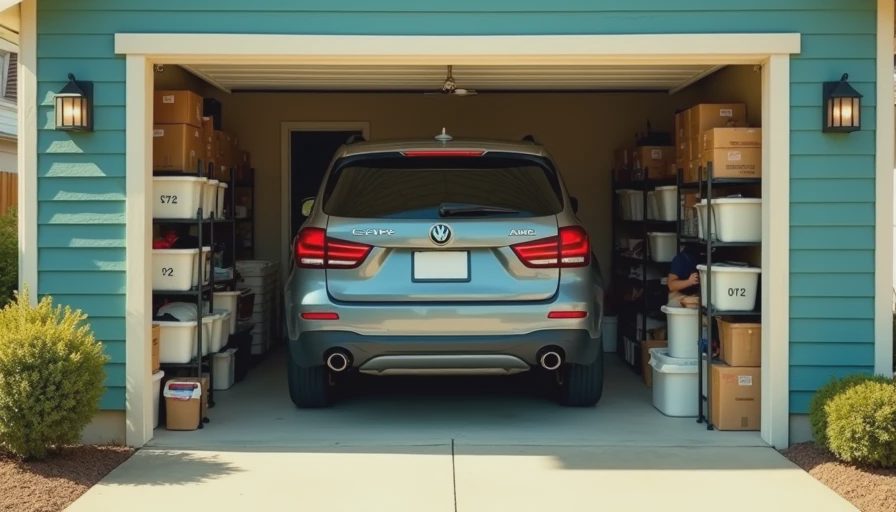
I like to start with the wall depth, then choose containers that fit it instead of forcing the room to fit whatever bin is on sale. Clear latching totes from Iris or Sterilite work well for visibility, while deeper milk-crate style cubes are better for awkward items like extension cords and camping gear. Keep cardboard off the slab. Concrete wicks moisture, and even a decent dehumidifier does not change that basic physics. Good home storage always begins with the floor, not the label maker.
Build the fixed pieces first
If you can afford one custom move, make it a fixed run of shelving, cabinets, or a hybrid wall. Open shelves are best for things you grab often, while closed base cabinets hide the less attractive stuff and give you a surface for folding, sorting, or setting down a tool box. In a basement, a simple melamine cabinet wall can cost a few thousand dollars, but it usually outperforms three separate racks that wobble, collect dust, and waste corners.
For older foundations with uneven slabs, I usually leave a little tolerance at the bottom instead of forcing millwork to sit perfectly flush. That tiny gap saves the installation and keeps doors from scraping later. If the basement is unfinished, consider painting the ceiling black and keeping the storage wall in a lighter color. The contrast makes the system read as intentional, not temporary. That is where home storage starts to feel architectural instead of improvised.
Add the details that make daily use easy
The best storage systems are the ones people will actually use on a tired Tuesday night. That means labeling zones in plain language, not with clever names nobody remembers. It also means putting the heaviest items between knee and shoulder height so nobody has to deadlift a box of books from the floor. A row of hooks for backpacks, a charging shelf for cordless tools, and a tray for keys or flashlights can save five minutes every day.
Think about what is annoying now. Maybe it is skis leaning in a hallway, the shop vac living in the family room, or paper goods stacked in a laundry room corner. Good home storage solves those exact annoyances instead of just creating prettier clutter. In a basement office or playroom, I like using shallow closed cabinets at the perimeter so the center stays open. The room can still support a desk, a ping-pong table, or a media screen without feeling like it is stuffed to the rafters.
Phase the plan so the basement stays usable
You do not have to build every shelf and cabinet at once. A phased approach is often the smarter move, especially in a pre-1960 house where the basement may need moisture work, electrical upgrades, or new lighting before the finish carpentry shows up. Start with the wall that holds the most clutter. Add dehumidification, a better floor surface, and durable lighting first if the space is dark or damp. Then layer in the more refined pieces later.
That sequence is good design and good budgeting. A basic wire system from ClosetMaid or Gladiator can get you organized for a few hundred dollars on a short wall, while a custom built-in wall with plywood boxes, adjustable shelves, and integrated doors can land much higher depending on length and finish. The point is not to spend more; it is to spend where the room earns it back. When home storage is planned this way, the basement stops feeling like overflow and starts behaving like part of the house.




No notes yet — write the first one.