A shakelight is a small hand-powered flashlight that creates electricity when you shake it. That simple mechanism makes it unusually useful in a basement, where a storm, tripped breaker, or flooded utility area can leave you searching for light at the exact moment you need both hands. I have used one during enough renovation walkthroughs to appreciate its value: it does not depend on a drawer full of fresh batteries, and it can sit ready for years with almost no maintenance.
For a finished lower level, emergency lighting is part of the plan, not an afterthought. A media room, guest suite, or home office should still be navigable when the power fails. A shakelight will not replace hardwired lighting or a properly installed emergency system, but it gives you a dependable first step while you find the electrical panel, guide a child upstairs, or inspect a sump pump.
Why a Shakelight Belongs in a Basement
Basements have a particular relationship with darkness. Even during the day, small windows provide limited light, and finished rooms often rely entirely on electrical fixtures. In an older Chicago home, the basement stair may also turn before it reaches the main room. If the power cuts out, the person entering from upstairs may not be able to see the last few steps, exposed pipes, or stored equipment.
A shakelight solves one narrow problem well: immediate illumination without a battery dependency. Many models use an internal rechargeable cell and a generator activated by repeated shaking. Other designs combine the shake function with a small solar panel, battery compartment, or radio. The mechanism is not magic; it simply converts motion into a modest electrical charge. That is enough for finding a door handle or locating a circuit breaker, though it is not intended to light an entire basement like a ceiling fixture.
Place one near the top of the stairs and another near the utility area if the basement is large. The first helps with entry, while the second supports maintenance around the furnace, water heater, or sump basin. Mounting locations should be visible and reachable, not hidden inside a storage closet.
Choosing the Right Light for the Space
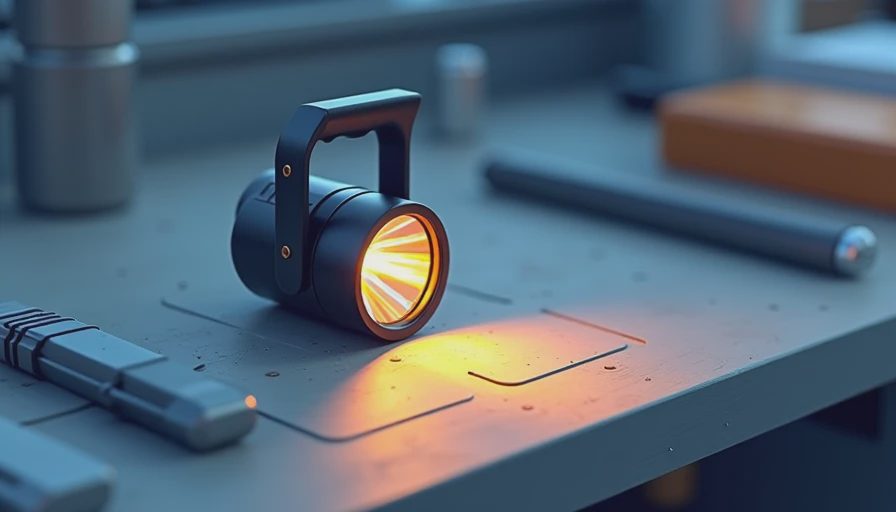
The cheapest shakelight can be better than no light, but construction quality matters. Look for a model with a sealed or rubberized exterior, a comfortable grip, and a switch that is easy to operate by touch. A basement is not a laboratory; dust, humidity, and occasional drips are realistic conditions. A water-resistant housing is useful, especially near a laundry sink or sump pump, although water resistance is not the same as waterproofing.
Check the light output and beam pattern before buying several units. A narrow beam helps someone find a lock or electrical panel, while a wider beam is more useful on stairs. Some products use LED emitters, which generally provide brighter light and longer service life than older bulb designs. A built-in rechargeable battery can be convenient, but it still ages. The shake generator is the reason to buy the product, not a promise that every internal component will work forever.
I prefer a simple unit with one flashlight mode over a complicated device with an alarm, radio, compass, and multiple flashing settings. Extra features are worthwhile only when they remain intuitive during a stressful outage. If you cannot turn the light on in the dark without reading instructions, it is the wrong tool for the stairwell.
Integrating Emergency Light Into a Basement Plan
Lighting decisions should follow circulation. Draw the route from the stairs to the electrical panel, furnace, bathroom, and exterior door. Those are the paths that matter during a failure. Put a shakelight at each decision point rather than placing every light in one attractive basket on a shelf. A small wall bracket beside the stair landing is more useful than a decorative storage tray across the room.
For a basement office, keep one beside the desk and one near the stairs. For a home theater, keep one outside the room so it does not interfere with the dark-room experience, plus another at the rear exit. In a guest suite, the best position may be beside the bed, but do not let the unit become buried beneath bedding or a stack of books.
This layered approach also supports phased remodeling. You can install emergency lighting while the basement remains unfinished, then adjust locations when walls and furniture are finalized. A shakelight costs far less than reopening drywall to correct an impractical fixture location, so it can serve as a temporary solution during construction and a backup after the project is complete.

What It Can and Cannot Do
A shakelight is not a substitute for code-compliant electrical work. It cannot replace required egress windows, smoke alarms, carbon monoxide alarms, stair lighting, or a licensed electrician's work. It also does not provide enough illumination for detailed repairs. If a breaker trips repeatedly, the basement floods, or a furnace stops operating, use the light to move safely and call the appropriate professional rather than improvising around energized equipment.
It is also sensible to keep a dedicated flashlight with charged batteries and a headlamp in the same emergency area. The flashlight offers stronger sustained light; the headlamp leaves both hands free. The shakelight is valuable because it gives you another option when batteries have been forgotten, corroded, or consumed by other devices. Good emergency planning is redundant rather than dependent on one gadget.
Avoid placing any portable light directly on a wet floor. If water is rising near outlets, electrical equipment, or the panel, leave the area and contact emergency services or a qualified professional as appropriate. Light improves visibility, but it does not make a dangerous electrical condition safe.
A Simple Placement Test
After installing your lighting, test the route at night. Turn off the basement lights, wait for your eyes to adjust, and walk from the stair landing to the main utility points. Can you identify the nearest shakelight immediately? Can you reach it without stepping over storage bins? Does the beam show the stair tread, door threshold, and floor drains? If the answer is no, change the location rather than accepting a poor plan.
Test each unit every few months. Shake it according to the manufacturer's instructions, inspect the switch, and look for cracked plastic, corrosion, or a weak beam. If the light uses a rechargeable cell, confirm that it still holds a useful charge. Replace damaged units before the next severe-weather season, and tell household members where the lights are stored. An emergency device only works when everyone knows how to find it.
The Small Tool That Makes a Better Lower Level
A basement renovation should account for ordinary interruptions, not just the finished photograph. A power outage can happen during a movie, laundry cycle, work call, or overnight guest stay. Keeping a shakelight near circulation routes gives the room a modest but meaningful layer of resilience without adding wiring or clutter.
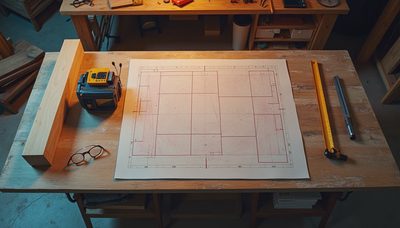
The best place to begin is a quick floor-plan review: mark the stairs, exits, utilities, and areas where someone could fall. Then choose durable, simple lights and test them in real darkness. That small exercise often reveals larger design problems, such as an obstructed path or a poorly located switch. In that sense, the shakelight is more than an emergency gadget. It is a practical way to see whether the basement actually works when the ideal conditions disappear.




No notes yet — write the first one.