Stained concrete basement flooring can turn a cold, unfinished slab into the visual foundation of a media room, home gym, guest suite, or flexible play space. I have seen this work especially well in older Chicago homes, where the existing basement floor is rarely perfect but often has enough character to become an asset. The key is to treat the slab as part of the architecture, not as a surface to disguise at the last minute.
Concrete is durable, easy to clean, and compatible with radiant heat, area rugs, built-in cabinetry, and nearly every basement layout. It is also unforgiving. Moisture, cracks, low ceiling height, and uneven color all need to be addressed before choosing a stain. A good plan starts with the basement conditions, then selects a finish that supports how the room will actually be used.
Why Choose a Stained Concrete Floor Below Grade?
The strongest argument for stained concrete basement flooring is its relationship with limited headroom. A typical basement may lose several inches to a framed floor, underlayment, and finished flooring. A properly prepared slab keeps the floor assembly thin, which matters when ductwork already crosses a seven-foot ceiling. In a basement office or television room, those saved inches can make the difference between comfortable and cramped.
Stained concrete is also practical for rooms that see dirt, spills, and changing uses. A gym can transition into a party room without replacing the floor. A craft area can handle paint or clay more gracefully than carpet. In a laundry room, the sealed surface offers a simple cleanup routine. The floor does not have to look industrial, either. Warm brown, charcoal, muted gray, and diluted black stains can produce a quiet, residential palette.
The finish works best when the rest of the design is equally deliberate. Pair a charcoal floor with white oak wall panels and warm lighting, or use a medium walnut tone beneath a basement bar with matte black hardware. The floor should establish a field of color rather than compete with every cabinet and furnishing.
Test the Slab Before Selecting a Color
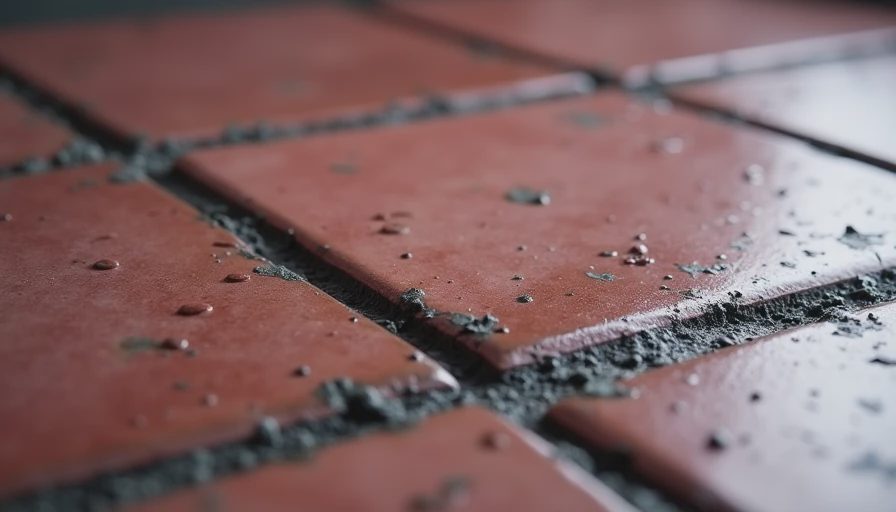
No stain can solve a wet basement. Before planning stained concrete basement flooring, inspect the slab after a period of rain and snowmelt. Look for damp edges, white mineral deposits, musty smells, peeling paint on nearby walls, and dark patches that remain after the rest of the floor dries. These clues can point to water migration through joints, foundation walls, plumbing leaks, or condensation.
A simple plastic-sheet test can reveal active moisture: tape a square of plastic tightly to the slab and check beneath it after roughly 24 to 48 hours. Moisture testing by a flooring professional provides more useful information when the basement will contain valuable furniture, electronics, or finished walls. A contractor should also inspect cracks. Hairline shrinkage cracks are common, while widening cracks, offset slabs, or recurring water deserve investigation before decorative work begins.
Preparation often includes degreasing, mechanical grinding, crack repair, and removal of old paint or adhesive. Acid stains react with the cement minerals and create varied, earthy movement. Water-based stains offer a broader color range and more predictable results. Neither approach makes the slab perfectly uniform, so request a test area in an inconspicuous corner before approving the final color.
What the Finish Actually Costs
The cost of stained concrete basement flooring depends more on preparation than on the stain itself. A straightforward slab that needs cleaning, light grinding, staining, and sealing may fall around $6 to $12 per square foot in many markets. Heavy adhesive removal, patching, moisture mitigation, decorative scoring, or multiple sealer coats can push the project toward $12 to $20 or more per square foot.
That means a 700-square-foot basement might cost approximately $4,200 to $14,000, depending on the slab and design scope. These are planning ranges, not a quote. A basement with decades of carpet adhesive may require substantial grinding. A slab with active moisture may need drainage work, vapor control, or a different flooring strategy altogether.
Compare the full assembly, not only the advertised stain price. A floating luxury vinyl floor may be less expensive initially in one room, while tile may require a thicker underlayment and more labor. Concrete can become competitive when the existing slab is sound and you want a durable surface across several connected spaces. Ask for line items covering preparation, repairs, stain, sealer, base trim, and furniture protection.
Design the Floor Around Three Uses
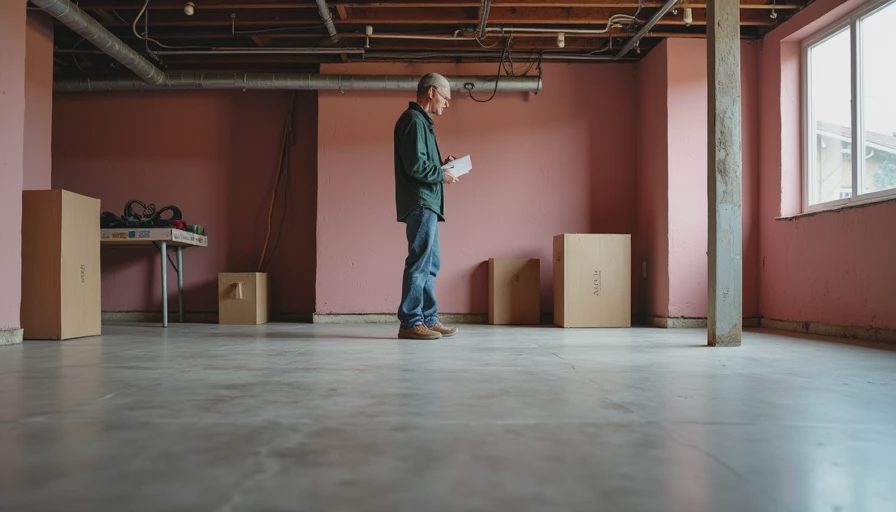
I rarely design a basement for only one activity. Stained concrete basement flooring is particularly useful in a layered plan because it can run continuously beneath different zones. Place a sectional and projector wall in one area, a narrow bar along an existing plumbing wall, and a table for games or remote work near the stairs. One floor visually ties those functions together while rugs define their boundaries.
Scale matters. In a long basement, consider a scored grid or simple border to give the floor a sense of direction. Avoid elaborate patterns if the ceiling is low and the walls already contain exposed structure. A broad, quiet field usually makes the room feel larger. For a basement gym, use a removable rubber training surface over the concrete rather than gluing rubber permanently to the slab. For a playroom, choose washable rugs with nonslip pads and keep the stained surface visible around their edges.
Lighting changes the result dramatically. Warm LEDs around 2700K to 3000K bring out brown and amber tones, while cooler bulbs can make gray stain look blue. Use wall sconces or concealed LED strips to wash the floor gently instead of relying on one harsh ceiling fixture. The reflected color should be evaluated in the actual basement, not only under a showroom lamp.
Sealer, Comfort, and Maintenance
The sealer determines much of the floor's daily performance. A penetrating sealer preserves a more natural appearance but offers less gloss. A film-forming acrylic or polyurethane sealer can deepen color and improve stain resistance, although it may show scratches more readily. In a basement with rolling office chairs, pets, or frequent entertaining, ask about a commercial-grade topcoat and a repair plan.
Concrete is hard underfoot and can feel cool in winter. That is not a reason to reject stained concrete basement flooring, but it is a reason to design comfort into the room. Use a large area rug beneath seating, resilient mats at workstations, and slippers or soft footwear for a guest suite. If the slab is being replaced or rebuilt, hydronic radiant heat may be worth studying; adding it later is considerably more disruptive.
Routine care is uncomplicated: dust mop regularly, clean spills promptly, and use a neutral-pH cleaner recommended for the sealer. Do not use vinegar, abrasive powders, or harsh degreasers without confirming compatibility. High-traffic areas may need a fresh protective coat after several years, especially near an exterior stair or basement entry where salt and grit arrive in winter.
When Another Floor Is the Better Choice
There are basements where stained concrete basement flooring is the wrong answer. If the slab has persistent moisture, major movement, or severe unevenness, solve those conditions first. If the room is intended as a bedroom with a quiet, soft atmosphere, carpet tile over a properly detailed subfloor may be more comfortable. Porcelain tile can be a better fit for a basement bathroom because it offers a wide range of water-resistant textures and patterns.
The best decision comes from matching the material to the room's physical demands. A workshop, open lounge, or multipurpose recreation room can benefit from concrete's toughness and visual continuity. A nursery, reading room, or overnight guest space may need more acoustic and thermal softness. You can also phase the project: finish the mechanicals, repair the slab, stain the main open area, and add bedrooms or built-ins later.
Before hiring a crew, request slab photographs, references for comparable basement projects, product data for the stain and sealer, and a written preparation scope. Confirm how long the floor must cure before furniture returns. With that groundwork, stained concrete basement flooring becomes more than a budget surface. It becomes a clear, durable plane that lets the basement function like a real part of the house.




No notes yet — write the first one.